
EMDR: What is it?
By Kitty Ferguson-Mappus, M.S.S.W., LCSW-S · 5 min read
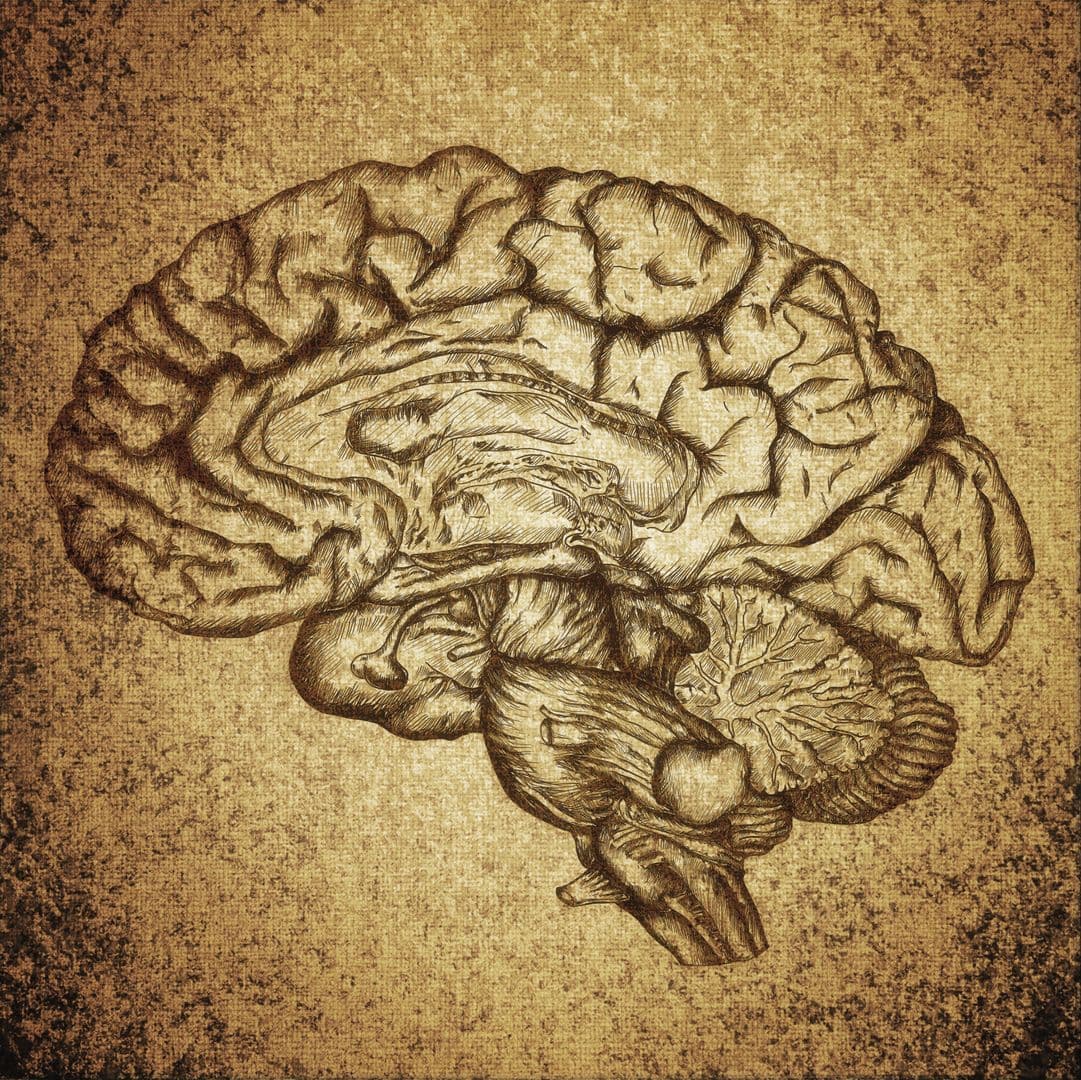
EMDR (Eye Movement Desensitization and Reprocessing) is a structured, research-backed psychotherapy that helps the brain reprocess traumatic memories so they lose their emotional intensity. Instead of relying on talking alone, it uses bilateral stimulation, including guided eye movements, taps, or tones, to activate the same kind of processing your brain does during dream sleep. It is recognized as an effective trauma treatment by the American Psychiatric Association, the World Health Organization, and the Department of Defense.
TL;DR
- EMDR is a trauma therapy developed by Dr. Francine Shapiro in 1987 and validated by research since 1989.
- It uses bilateral stimulation (eye movements, taps, or tones) to help the brain reprocess "stuck" memories.
- You stay awake and in control the entire time. It is not hypnosis.
- It is used for PTSD, anxiety, panic, depression, OCD, substance use, and eating disorders, in teens and adults.
- Therapists complete additional specialized training to offer it.
You might have heard of EMDR – through a friend or colleague, on TV, or maybe your own therapist. But what is it, and how does moving your eyes heal trauma?
Have you ever gone on a walk to clear your mind? Have you ever thought about why that helps? In 1987, Dr. Francine Shapiro (1948-2019) did just that: walking in Central Park, she was struck by the connection between what her body was doing and what her brain was doing. That simple afternoon stroll led to a profound discovery that became the foundation of a powerful trauma intervention: EMDR.
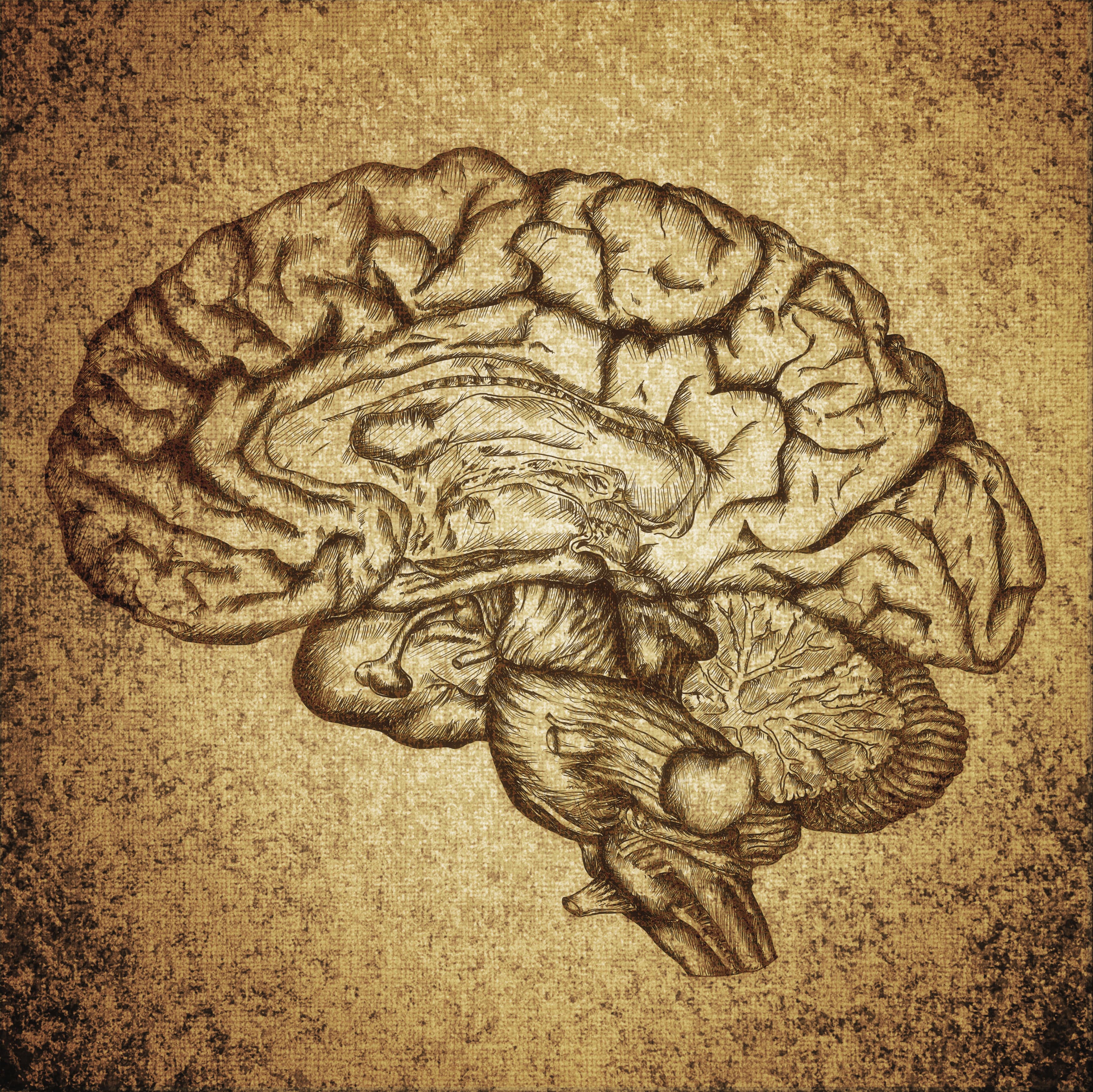
How does EMDR work?
Dr. Shapiro's musings during her Central Park walk brought to light the hidden power of certain types of movement to access the subconscious. When we intentionally alternate the use of both the right and left hemispheres of the brain – called “Bilateral Stimulation” – it helps us engage in Free Association, allowing our minds to wander without interference from our conscious thoughts. This leads to discoveries about our deepest selves, and opportunities to process and heal from the past.
Interestingly, Free Association is exactly what your brain is doing every night when you dream, but in EMDR therapy the journey is guided and controlled. Your EMDR-trained therapist will intentionally generate the same activity in your brain that dreaming generates, and then use that activity to process and heal deep trauma. It sounds a little “woo-woo,” but it works!
How is EMDR different from other therapies?
Whatever technique your therapist specializes in – talk therapy, EMDR, cognitive behavioral therapy, art therapy, and so on – the underlying goal is called Memory Reprocessing, or Memory Reconsolidation. That’s the neuro-biological change that happens in your brain during any successful therapy; you feel better because you learn how to engage with your trauma in a way that doesn’t hurt any more.
In traditional talk therapy, for example, the therapist and the client work together using words and images to express feelings and understand experiences. This can be very helpful as long as you have the words for what’s going on, and how you feel about it. But if your talking brain isn’t allowing you to probe your inner self, or your intellect can’t access your subconscious, you need a different approach.
EMDR-proficient therapists guide patients through Memory Reconsolidation in a way that diminishes the emotional intensity tied to those memories; the therapy uses Bilateral Stimulation and guided Free Association to access your deepest memories and reduce their power and impact on your day-to-day life.
How do we know it works?
EMDR has been extensively studied and tested since the late 1980s. Scientific validation in 1989 demonstrated EMDR's remarkable ability to heal the Post Traumatic Stress Disorder (PTSD) that was plaguing veterans of the Vietnam War. It was also shown to effectively erase the PTSD symptoms of survivors of sexual assault. The clinical impact of this discovery simply cannot be overstated; it was a miracle for many deeply traumatized people.
Widely researched, EMDR therapy is recognized as an effective form of treatment for trauma and other disturbing experiences by organizations such as the American Psychiatric Association, the World Health Organization and the Department of Defense. Over several decades, it has proven useful for a spectrum of mental health conditions, including: Anxiety; Obsessive-Compulsive Disorder (OCD); Panic Disorders; Depression; Substance Use and Abuse; and Eating Disorders. Adolescents, teenagers and adults of all ages can benefit from this treatment.
In short, EMDR stands as a time-and-science-tested beacon of hope for many people whose struggles were once thought to be insurmountable.
Seeking Professional Help
Trauma can leave lasting emotional wounds that feel impossible to heal on your own, and that's understandable. Therapies EMDR are specifically designed to help you process and release the emotional pain caused by trauma, so it no longer controls your thoughts, emotions, or actions. While finding the right therapist might seem challenging, it’s an important step toward reclaiming your peace.
At Unbroken Abundance, we’re dedicated to creating a space where you can safely unpack the emotional weight of your trauma. With compassion and understanding, we’ll work together to help you process those deep-rooted feelings and find the relief you deserve. You don’t have to face this journey alone. We’ll support you every step of the way as you reclaim your sense of peace and move toward healing.
FAQ - Your Questions Answered
Is EMDR a form of hypnosis?
No. During EMDR you remain fully awake, alert, and in control. Bilateral stimulation helps your brain access and reprocess memories, but you are aware of where you are the entire time, and you can pause or stop whenever you choose.
What conditions can EMDR treat?
EMDR is best known as a treatment for PTSD, where it has decades of research support. It is also used for anxiety, panic disorders, depression, obsessive-compulsive disorder, substance use, and eating disorders. Adolescents, teenagers, and adults can all benefit.
Do I have to talk about my trauma in detail?
No. Unlike traditional talk therapy, EMDR does not require you to describe what happened in detail. Much of the processing happens internally, and many people share only a few words about what they notice between sets.
How long does EMDR take to work?
It varies. Some people processing a single distressing event notice meaningful change in a handful of sessions, while complex or childhood trauma usually takes longer and includes more preparation. Every EMDR plan starts with stabilization and coping skills before deeper memory work begins.
How do I find an EMDR therapist?
Look for a licensed therapist who has completed formal EMDR training, and ask how they pace the work and keep sessions safe. You can learn more about EMDR therapy at Unbroken Abundance or meet our EMDR-trained team.