
How to Manage Anxiety: 5 Simple Strategies
By Kitty Ferguson-Mappus, M.S.S.W., LCSW-S · 4 min read

The five most reliable everyday strategies for managing anxiety are mindfulness with slow breathing, nourishing your body with whole foods, creating a calm environment, moving your body daily, and protecting your sleep. Each one helps settle your nervous system in a different way, and together they can break the cycle of racing thoughts and constant worry. If anxiety stays overwhelming despite these tools, therapies like CBT and EMDR are proven next steps.
TL;DR
- Ground yourself in the present with a few slow, deep breaths when worry takes over.
- Fuel your mood with whole foods like leafy greens, nuts, and omega-3-rich fish.
- Turn your home into a calm space with soft lighting, soothing scents, and quiet music.
- Move your body for at least 15 minutes a day to release feel-good endorphins.
- Keep a consistent sleep schedule and a calming bedtime routine.
- If anxiety still feels unmanageable, a therapist can help with approaches like CBT or EMDR.
Anxiety can sometimes feel like a constant weight, pulling you into a whirlwind of worries and endless "what ifs." If you’ve been struggling with that familiar sense of unease or feeling like your thoughts are spinning out of control, you’re not alone. Anxiety touches so many of us in different ways, making even the simplest tasks feel overwhelming. But you don’t have to stay stuck in that cycle.
What Causes Anxiety?
Anxiety doesn’t look the same for everyone, and the reasons behind it can be just as varied. For some, it might stem from stress at work or school, while for others, it might be tied to personal relationships, health concerns, or even the state of the world. Think of your mind as a tapestry, woven from experiences, hopes, and fears. Understanding where your anxiety comes from is the first step toward healing. It helps you see the patterns and begin untangling them. So what are some things you can do to help manage your anxiety?
1. Be Present: Mindfulness and Breathing
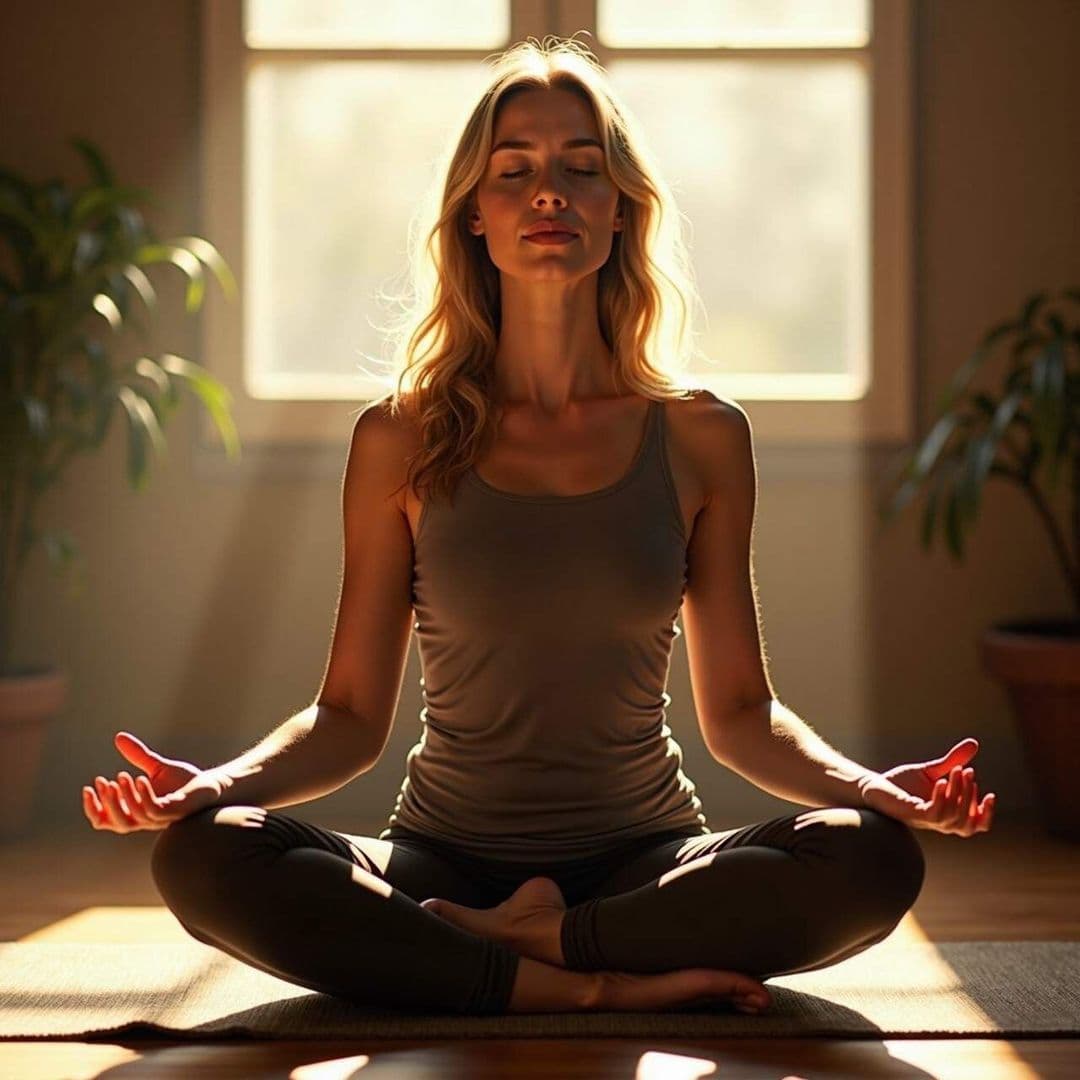
When anxiety takes over, grounding yourself in the present moment can offer immediate relief. Mindfulness is about gently bringing your focus back to the here and now, rather than letting your mind get caught up in worries about the future. Try closing your eyes and taking a few slow, deep breaths. As you inhale, imagine breathing in calm; as you exhale, release tension. It sounds simple, but this practice can be incredibly powerful in easing anxiety’s grip.
2. Nourish Your Mind and Body
The saying "you are what you eat" applies to mental health, too. Your diet can affect your mood more than you might realize. Nourishing your body with whole foods like leafy greens, nuts, and omega-3-rich fish can help create a foundation of emotional well-being. It’s amazing how much your body and mind benefit when you fuel them with the right nutrients.
3. Create Your Calm Space
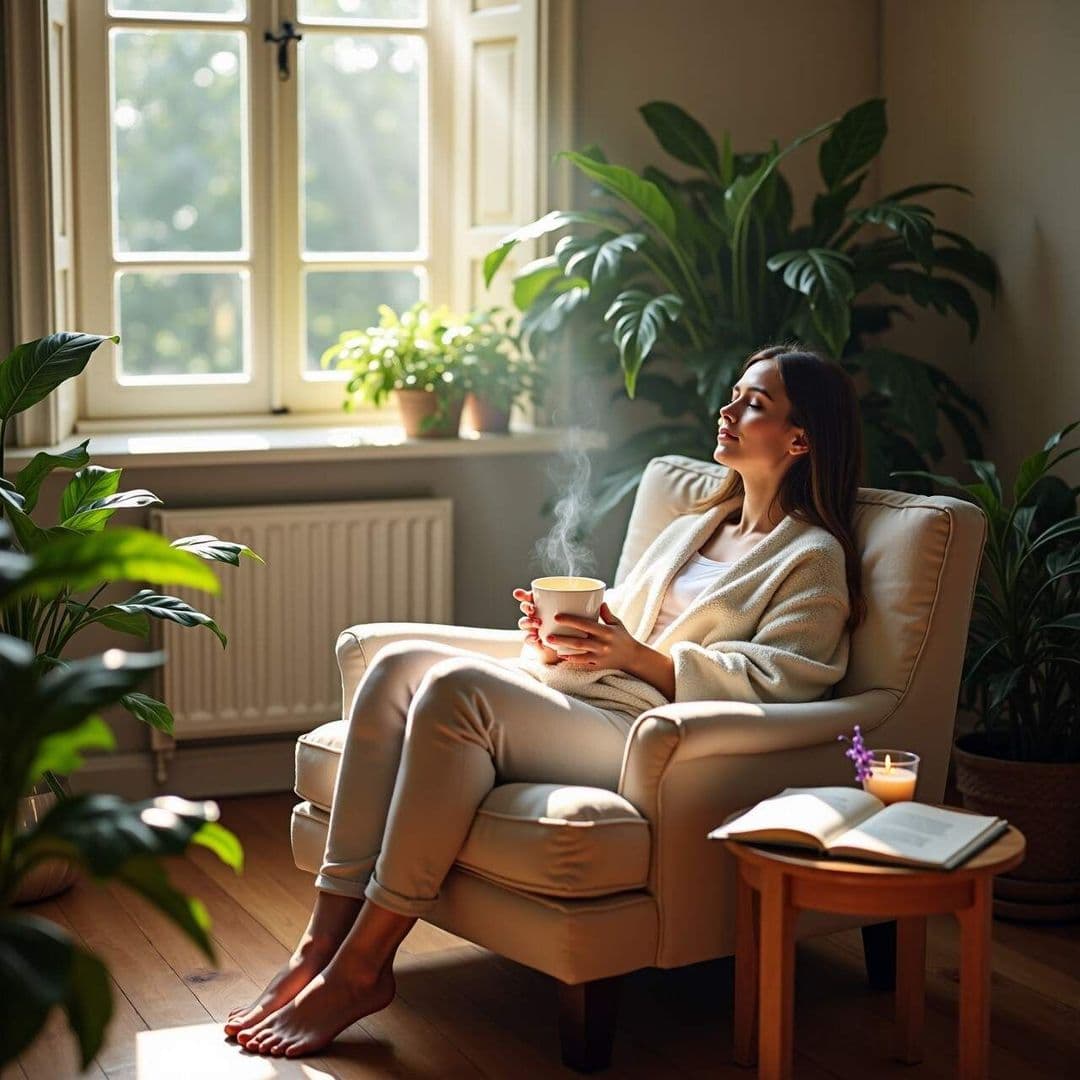
Your surroundings can have a big impact on how you feel. Creating a calming environment at home, whether through soft lighting, soothing scents like lavender, or quiet music, can help create a refuge from anxiety. Think of this space as your personal sanctuary, a place where your mind and body can relax and reset after a long day. Even small changes, like adding comfortable textures or peaceful artwork, can turn your home into a nurturing space that promotes calm.
4. Move Your Body
Physical movement is one of the best ways to calm an anxious mind. Whether it’s a brisk walk outside, some gentle yoga, or even a dance party in your living room, moving your body helps release endorphins, those "feel-good" chemicals that naturally improve your mood. Just 15 minutes a day can make a huge difference in easing anxiety.
5. Prioritize Rest

Good sleep is one of the most powerful tools for managing anxiety. A rested mind can cope with stress much more effectively. Try going to bed and waking up at the same time each day, even on weekends. Create a calming bedtime routine, whether it’s reading a book, taking a warm bath, or doing some gentle stretches, to signal to your mind that it’s time to relax and recharge.
Seeking Professional Help
Sometimes, anxiety can feel too overwhelming to manage on your own, and that’s okay. There’s strength in reaching out for professional support when you need it. Therapies like Cognitive Behavioral Therapy (CBT) or EMDR are designed to help you break free from the negative thought patterns that fuel anxiety. Finding the right therapist can feel daunting, but it’s an important step toward healing.
At Unbroken Abundance, we’re here to create a safe, supportive space where you can explore your anxiety, understand its roots, and find the tools you need to manage it. Together, we can help you move forward, one step at a time.
FAQ - Your Questions Answered
What is the fastest way to calm anxiety in the moment?
Slow, deep breathing paired with grounding is usually the quickest tool. Try a few long exhales while naming what you can see, hear, and feel around you. The 5-4-3-2-1 sensory method is a simple version you can use anywhere.
How long does it take for these strategies to work?
Breathing and grounding can ease symptoms within minutes, while habits like better sleep, daily movement, and nutrition usually show their effect over a few weeks of consistency. Think of the in-the-moment tools as first aid and the daily habits as building resilience.
Can anxiety go away on its own?
Mild, situational anxiety often fades when the stressor passes. But when anxiety is persistent, shows up without a clear cause, or interferes with sleep, work, or relationships, it tends to maintain itself. That is when structured support makes the biggest difference.
When should I see a therapist for anxiety?
If anxiety regularly disrupts your daily life, keeps you up at night, leads you to avoid things that matter to you, or feels unmanageable despite self-help strategies, it is time to reach out. Approaches like CBT and EMDR therapy for anxiety are well-researched and effective.