
Understanding Coping Strategies and Their Impact
By Kitty Ferguson-Mappus, M.S.S.W., LCSW-S · 4 min read
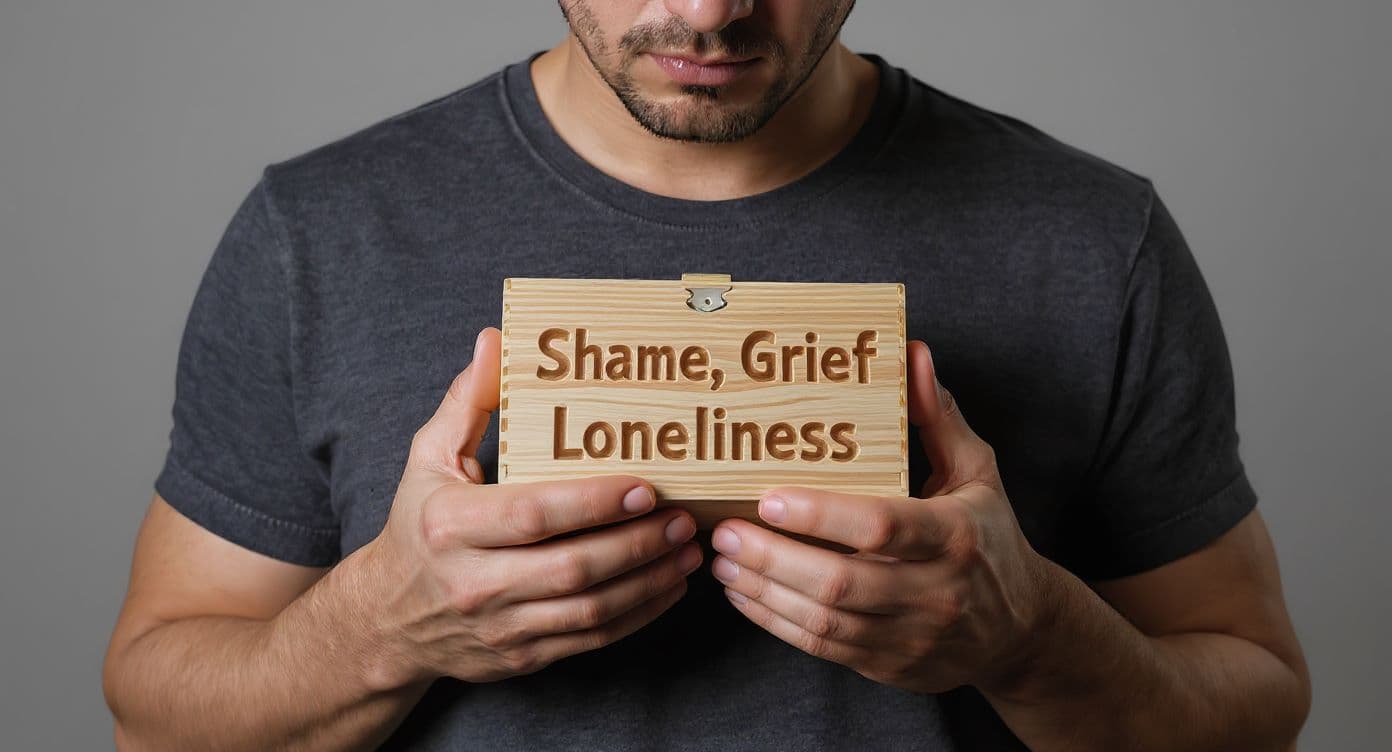
Coping strategies, including perfectionism, people-pleasing, addiction, or self-harm, are not character flaws; they are survival strategies your nervous system developed to protect you. Shame about how you cope only reinforces the pain those strategies were built to ease. Healing begins when you can understand your adaptations with compassion and slowly, safely release the pressure underneath.
Always remember: your coping strategies were the best options you had at the time.
TL;DR
- Many people feel shame about their coping mechanisms when, in reality, those behaviors helped them survive.
- Shame leads us to judge or hide our survival strategies, reinforcing the pain they were meant to ease.
- To heal, we must compassionately understand how trauma shaped our adaptations and make space to feel safely.
📣 If you’ve ever judged yourself for how you cope, this article is for you. Share it with someone who needs to hear this too.
Why It's Not the Fall That Hurts: It's the Aftermath
Trauma can be simply defined as a boundary violation. However, the violation itself is only the beginning. What happens next is crucial. It involves how others respond and how we move forward in life. This process shapes our nervous systems and self-perception.
Imagine you’re a toddler learning to walk. You trip and fall, scrape your knee, and cry. In one scenario, your caregiver scoops you up, comforts you, and reflects back safety. In this moment, your brain learns: I’m okay. I’m safe. The world may be challenging, but I’m not alone.
Now, imagine a different ending. You fall, and your caregiver yells, “Quit crying, or I’ll give you something to cry about,” then walks away. Your nervous system remains activated. You learn: I’m alone. I’m unsafe. I must handle this by myself. So, you adopt strategies to survive in what your brain perceives as a dangerous world filled with shame.
The Volcano Inside Us All
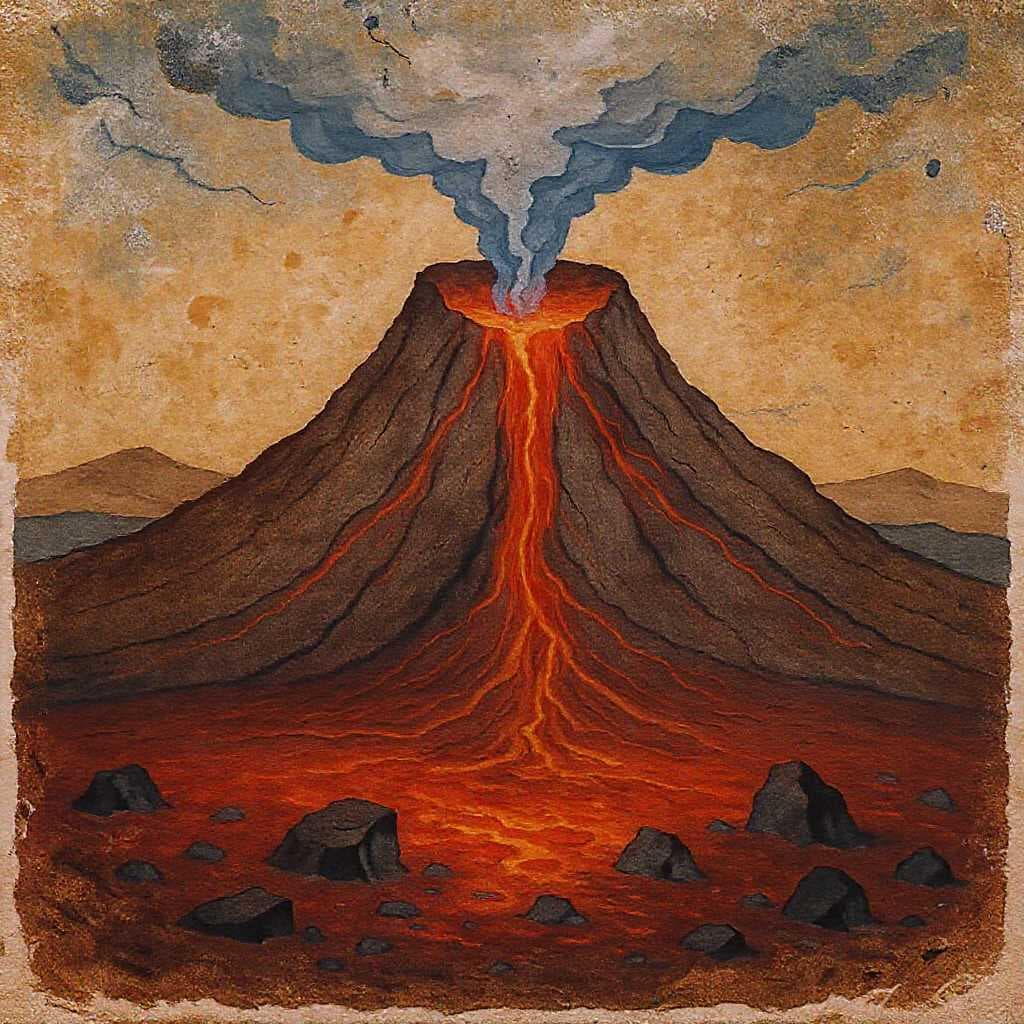
Let’s visualize your internal system as a volcano shaped like an explosive triangle. At the center lies your true self: calm, creative, and connected. This core represents who you were born to be, regardless of your neurotype.
However, life happens. Boundaries are crossed, and pain is ignored or punished. To protect your core, you push intense feelings, what we call the Four Horsemen (Shame, Grief, Loneliness, and Anger), into a box at the bottom of the volcano.
Proactive strategies (like fight or fawn) emerge to keep this box sealed: perfectionism, people-pleasing, anxiety, and high achievement. Conversely, reactive strategies (flight or freeze) surface when pressure builds: addiction, binge eating, dissociation, rage, and self-harm. It's vital to understand that these strategies aren't flaws; they are defense mechanisms. They are your system's way of surviving.
💡 *We share trauma visuals like this every week. Subscribe to our newsletter and follow us on YouTube or Instagram for more.*
Releasing the Pressure, One Breath at a Time
Many seek therapy when their coping strategies begin to cause harm or no longer work. However, the goal of therapy isn’t to shame these strategies. Instead, it aims to understand them and slowly release the pressure building underneath.
Healing commences when we can open Pandora’s box just a tiny bit, with someone safe, in a safe space. This is how therapy works, regardless of the method: co-regulating, witnessing, and creating space for feelings that were never allowed to be expressed.
As the pressure decreases, the strategies often fade away too. They become unnecessary. You no longer need to fight to keep the box shut. You are not alone in carrying it anymore.
Society may still judge your behaviors. You may even judge yourself. However, healing requires curiosity, not criticism. There is no shame in how you survived. Your strategies were the best your system could devise at the time, protecting something invaluable: your true self.
Healing invites you to reconnect with that core. This process does not erase your story but honors it. It does not reject your behaviors but listens to the pain they safeguarded.
If therapy isn’t accessible to you, take heart. Healing has existed long before therapy.
As one of my first professors, Starla Simmons, once said: "People were healing from trauma long before there were therapists."
Finding Alternative Paths to Healing
Seek community, connection, and compassion wherever you can. Your healing journey is valid, no matter which path you choose. Whether it’s through friendships, support groups, or self-help resources, explore options that resonate with you.
Embracing Self-Compassion
Start practicing self-compassion daily. Recognize that everyone has their way of coping. We all navigate life with unique strategies. Reflect on your strengths and acknowledge your efforts to survive and thrive.
Building a Supportive Community
Reach out to friends and family. Create a network of individuals who uplift and support you. Having a solid support system can facilitate healing. Share your experiences with trusted individuals. You may find unexpected understanding and empathy.
Seeking Professional Help
While not everyone has access to therapy, consider seeking it if possible. There are numerous hotlines, online therapy options, and sliding scale services available. Professional guidance can provide invaluable insight and support in your healing journey.
💛 *Subscribe to our newsletter and follow us on YouTube or Instagram for weekly insights, nervous system tools, and a gentle place to begin again.*
FAQ - Your Questions Answered
Why do I feel shame about how I cope?
Many people judge or hide their coping mechanisms because society, and sometimes their own inner critic, labels those behaviors as flaws. In reality, your strategies were the best options your system could devise at the time, and shame only reinforces the very pain those strategies were built to ease.
Are coping strategies like perfectionism or people-pleasing bad?
They aren't flaws; they're defense mechanisms. Proactive strategies like perfectionism, people-pleasing, anxiety, and high achievement work to keep painful feelings sealed away, while reactive strategies like addiction, binge eating, dissociation, rage, and self-harm surface when the pressure builds. Understanding them with curiosity, not criticism, is the starting point for change.
What are the "Four Horsemen" in this model?
The Four Horsemen are Shame, Grief, Loneliness, and Anger. These intense feelings get pushed into a box at the bottom of your internal "volcano" when boundaries are crossed and pain is ignored or punished. Your coping strategies exist to keep that box sealed and protect your true self: the calm, creative, connected core you were born to be.
How does therapy help with coping strategies?
The goal of therapy isn't to shame your strategies. It's to understand them and slowly release the pressure building underneath. With someone safe, in a safe space, you can open the box a tiny bit at a time through co-regulating, witnessing, and creating room for feelings that were never allowed to be expressed. As the pressure decreases, the strategies often fade away on their own. You can learn more about how we work with trauma and IFS.
Can I heal from trauma without a therapist?
Yes, people were healing from trauma long before there were therapists. Community, connection, and compassion are powerful medicine, whether you find them through friendships, support groups, or self-help resources. If therapy does become an option for you, hotlines, online therapy, and sliding-scale services can make it more accessible.