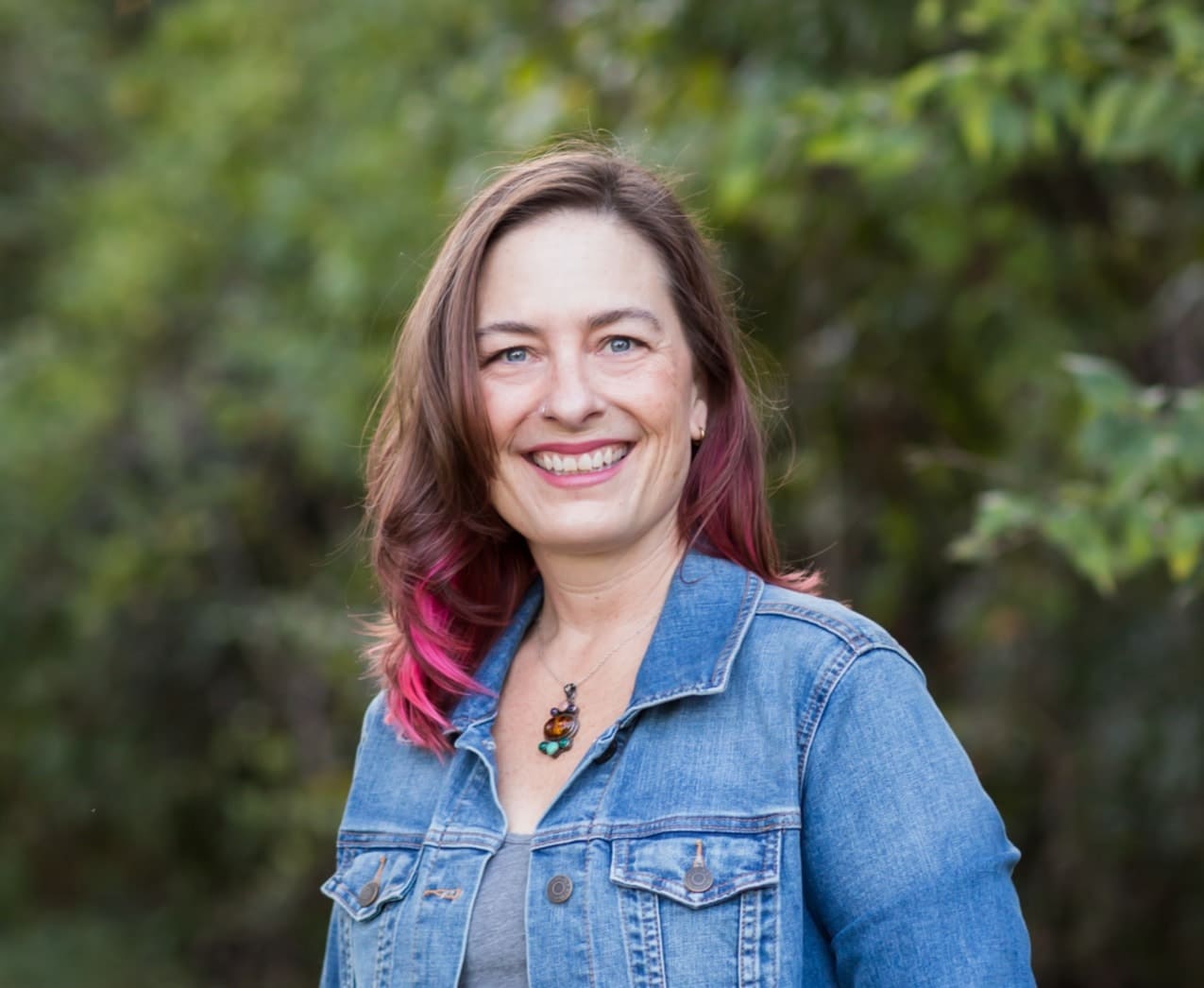
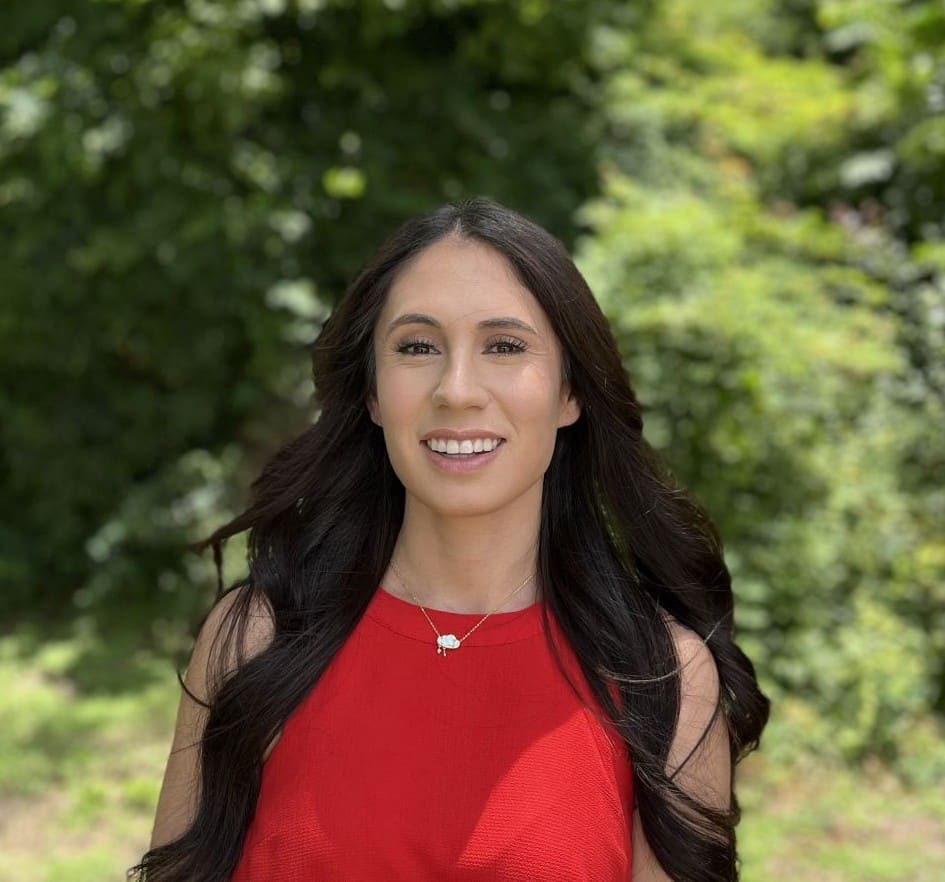
Catherine "Kitty" Ferguson-Mappus
M.S.S.W., LCSW-S
Kitty is a playful, irreverent and deeply engaged therapist who works with adults 18+ who are ready to explore therapy in an experiential, soul-centered way.
Meet Kitty →Trauma-informed care in Georgetown and across Texas

Trauma therapy near Georgetown helps your brain and body recognize that the danger is over - so you can stop living in survival mode. At Unbroken Abundance, our EMDR-trained clinicians treat PTSD, complex trauma, and childhood wounds with research-backed, trauma-informed care. We see clients in person at our local Georgetown office and by telehealth across Texas.
Real therapy from people who get it.
Serving Georgetown since 2022 - 6 trauma-focused clinicians
“Her level of attention to detail and professionalism helped where previously, others couldn't.” - Google review
Trauma therapy is a focused, nervous-system-aware approach to healing the lasting effects of overwhelming experiences. It is different from general talk therapy because it does not only help you understand what happened. It helps your brain and body process what remains unresolved, so the past has less power over your present.
What you are living with is not a character flaw. It can be a survival adaptation. When something overwhelms your system - one terrifying event or years in a home where safety was never guaranteed - your nervous system learns to stay braced for danger. Long after the threat is gone, it may keep firing through a racing heart, shutdown, hypervigilance, nightmares, or intrusive memories. Those responses are not weakness. They are signs that your brain and body worked hard to protect you.
Trauma is not limited to events such as assault, combat, accidents, or medical emergencies. Complex trauma can build quietly through chronic stress, childhood neglect, emotionally unsafe relationships, discrimination, or repeated experiences of having no control. It may not look dramatic from the outside, but it can shape trust, boundaries, self-worth, and the ability to feel safe. Because trauma affects the nervous system as well as conscious memory, insight alone is not always enough to create change.
That is why we use trauma-focused methods such as EMDR, or Eye Movement Desensitization and Reprocessing. The World Health Organization includes EMDR in its guidance for stress-related conditions, and the U.S. Department of Veterans Affairs describes it as one of the most studied PTSD treatments. EMDR follows a structured process that can help the brain reprocess stuck memories without requiring you to describe every detail.
Trauma-informed care means we move at your pace, pay attention to how trauma affects trust, memory, identity, and boundaries, and do not rush you toward something you are not ready for. The goal is not to erase what happened. It is to help your system recognize that the danger is no longer happening and give you more choice in how you live now.
You do not need a diagnosis - or even the word trauma - to belong here. Many people we work with simply know that something feels off. See whether any of these experiences sound familiar:
Any pattern that leaves you feeling stuck and unable to change it on your own is worth bringing into the room. If you are quietly recognizing yourself here, the next step is simply a conversation. We can help you understand what is happening and decide whether trauma therapy fits your needs.
No surprises and no being put on the spot. Your first session is about getting to know you and what brought you in, not diving into the hardest memory on day one. We will talk about what you want to be different and begin building the safety, trust, and grounding that effective trauma work depends on.
Standard sessions are 50 minutes and usually happen weekly to start. Some people notice meaningful relief within 12 sessions, especially when they are working with a single event. Complex, developmental, or layered trauma often takes longer. We will give you an honest working sense of the timeline after learning more about you and adjust the plan together.
The work is collaborative and paced by you. When we use EMDR, we follow its structured eight-phase protocol. Preparation and resourcing come first. When you are ready, we carefully identify the memories, beliefs, emotions, or body sensations where things feel stuck. You remain awake, aware, and in control, and you can pause at any time.
No two nervous systems are the same, so we integrate approaches instead of forcing everyone through one protocol. Your therapist will explain what they recommend, answer questions, and shape the work around your goals and capacity. Sometimes sessions are serious. Sometimes there is room to laugh, swear, or cry. Real therapy can hold all of it.
We are locally rooted in Georgetown and built on something simple: showing up as real humans who want to help. Our team brings professional training and the understanding that comes from having walked through hard things ourselves. When we say "from those who have been there," we mean it.
Therapy here is not about checking boxes or selling a quick fix. It is space to exhale, feel seen and heard, and understand what is really going on. Wherever you are standing right now, we will start there.
Georgetown is our home. Our office sits on North Austin Avenue just off I-35, a few minutes from the historic courthouse square, with free onsite parking and a wheelchair-accessible entrance. Being locally rooted matters to us - we are not a national chain routing you to whoever is free that week, but a Williamson County practice where you see the same trusted clinician each time.
We work with the full range of Georgetown life: parents and professionals stretched thin, students from Southwestern University, and older adults in and around Sun City carrying grief, late-life transitions, or trauma that has waited decades to be heard. Trauma does not have an expiration date, and it is never too late to feel safe in your own body again.
If getting to the office is hard on a given week - a sick kid, a work crunch, a long day - you can switch to secure telehealth without losing momentum. Many Georgetown clients mix in-person and online sessions around real life. Whichever you choose, the care is the same: paced by you, grounded in EMDR and trauma-informed practice, and built around your goals.
Session rate
$150-$200 per 50-minute licensed-clinician session
We accept
We accept major credit cards and FSA/HSA accounts. Limited sliding-scale spots are available, and we provide superbills for eligible out-of-network reimbursement. Telehealth is available statewide at the same standard rates. Intensives are self-pay with transparent pricing; ask about availability.

M.S.S.W., LCSW-S
Kitty is a playful, irreverent and deeply engaged therapist who works with adults 18+ who are ready to explore therapy in an experiential, soul-centered way.
Meet Kitty →
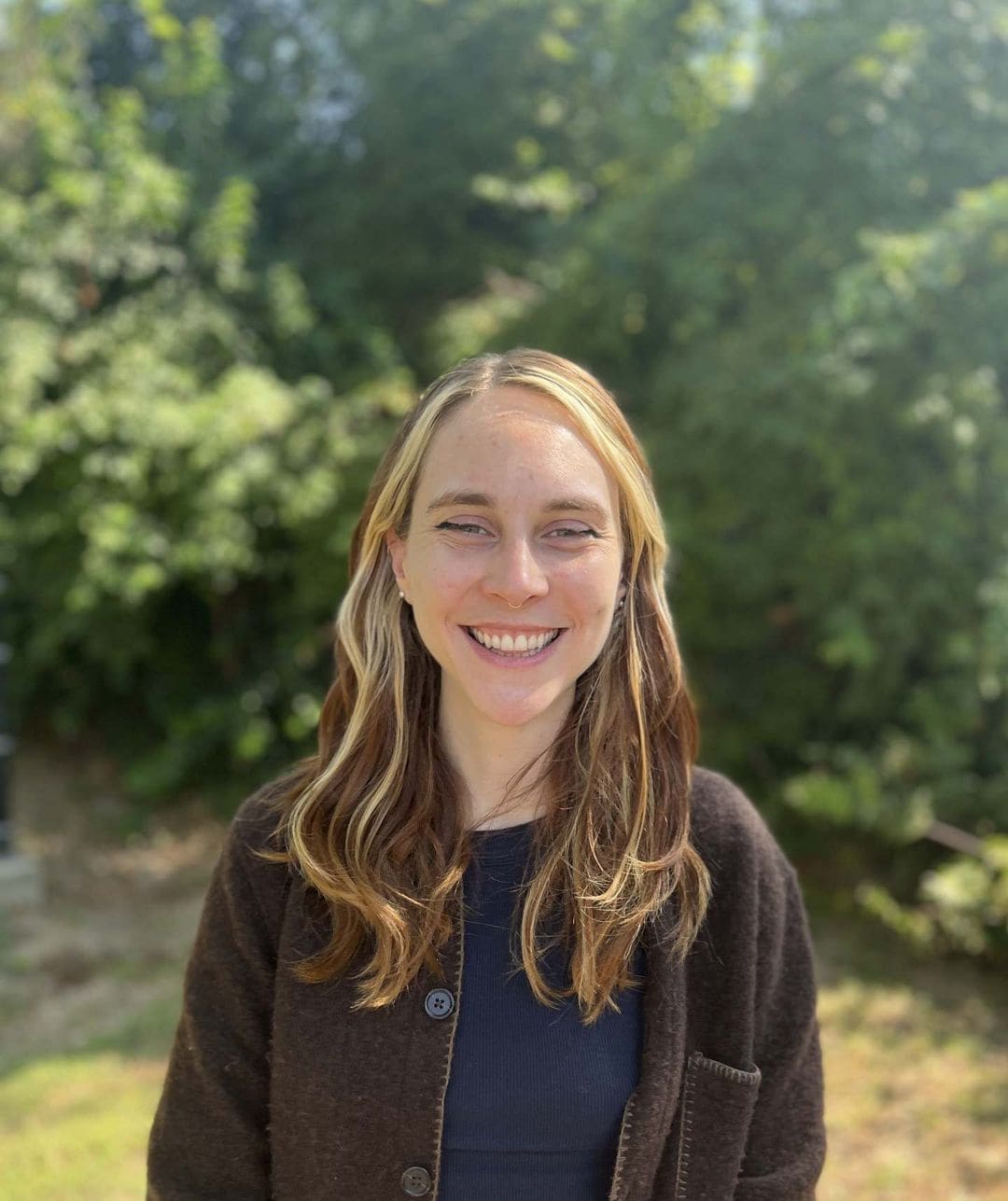
M.S.S.W., LMSW
Hadley is a deeply compassionate and grounded therapist who specializes in working with teens, young adults, and adults navigating complex trauma, critical inner voices, and the long journey back to self-trust.
Meet Hadley →
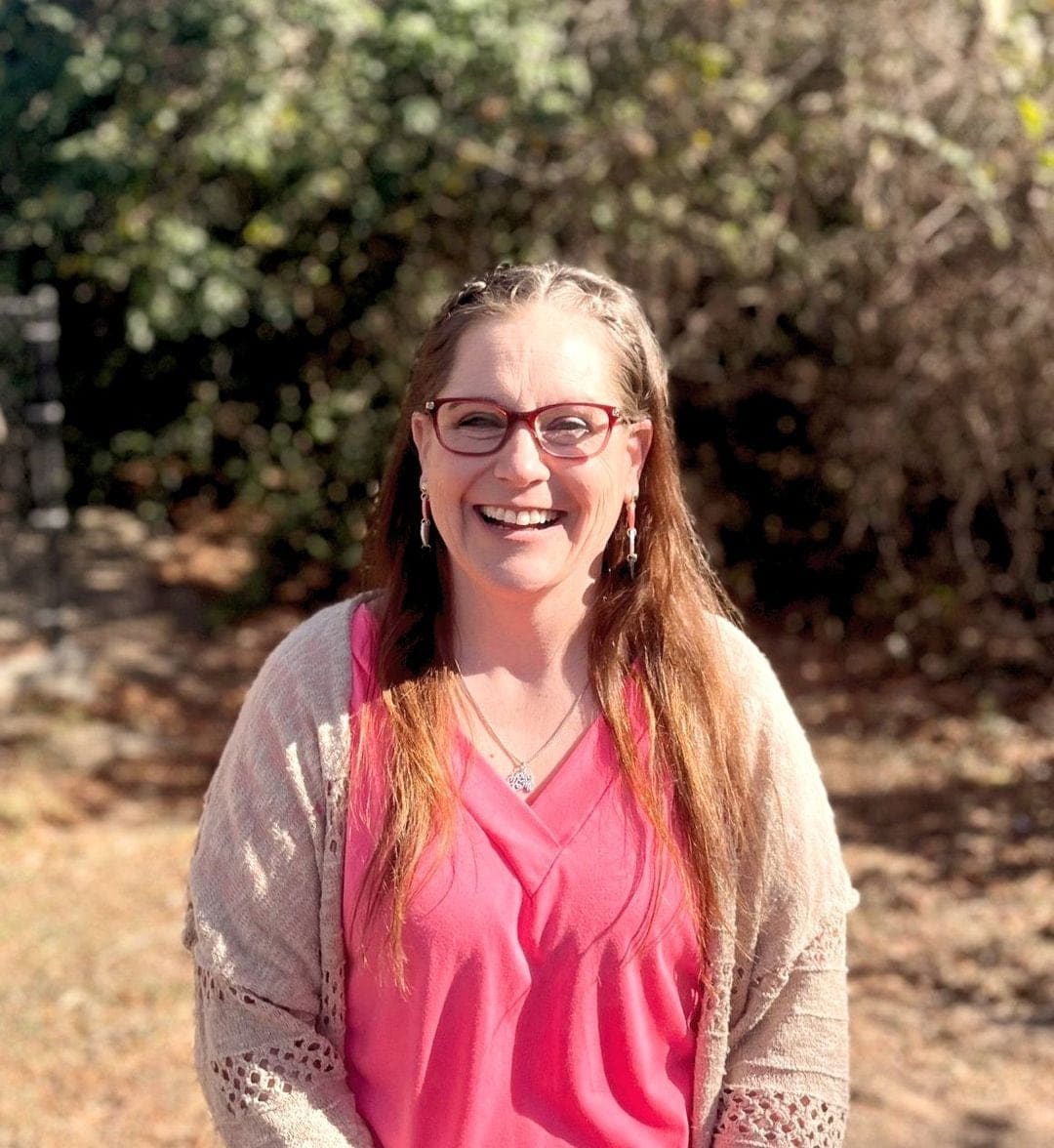
B.Ed, M.S.W, LMSW
Lisa is a warm, engaged, and deeply caring therapist who brings a grounded, human presence into the therapy room.
Meet Lisa →
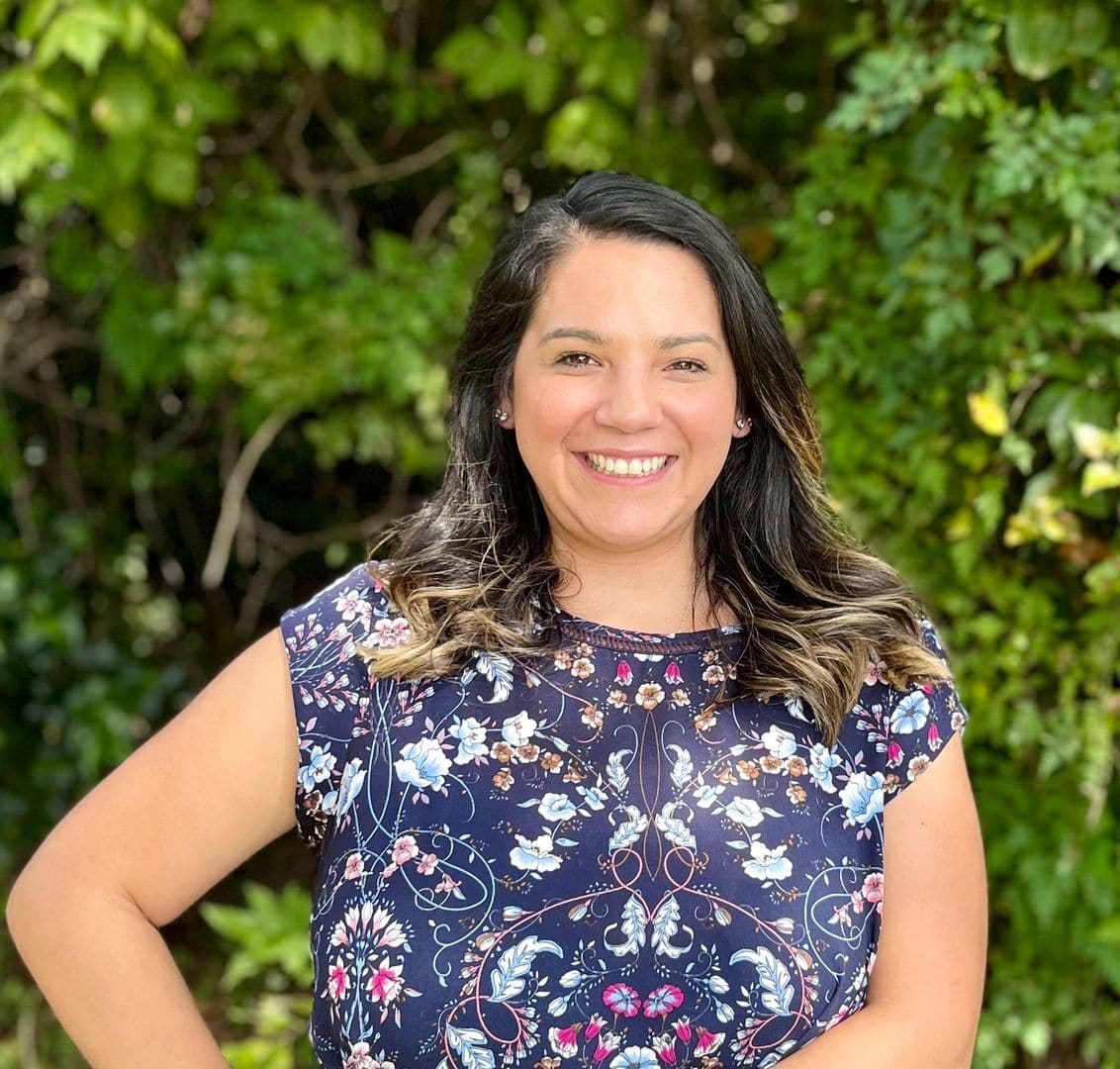
M.S.W., LCSW
Roxie is a warm, grounded, and direct therapist who specializes in helping people feel less overwhelmed and more like themselves again.
Meet Roxie →
B.C.J., M.A., LPC
Stormy is a warm, grounded, and direct therapist who holds space for adults navigating complex life transitions, emotional overwhelm, and the aftershocks of trauma.
Meet Stormy →
M.S.S.W, LMSW
Tyler is a warm, creative, and grounding therapist who specializes in supporting transition-aged youth, college students, and neurodivergent individuals including those navigating ADHD, Autism, anxiety, perfectionism, and identity development.
Meet Tyler →Our trauma therapy office is on North Austin Avenue, just off I-35 with free onsite parking and a wheelchair-accessible entrance. Prefer to meet from home? Secure telehealth is available anywhere in Texas.
Georgetown office
Unbroken Abundance PLLCSeven common signs of unresolved trauma, what each means for your nervous system, and when to reach out.
Read more ->How the two differ in cause and symptoms, where they overlap, and how trauma therapy helps each.
Read more ->What actually happens at intake, why you will not be asked to relive it on day one, and how to walk in less braced.
Read more ->Realistic timelines for single-incident and complex trauma, the three phases of healing, and why faster is not the goal.
Read more ->Trauma-trained vs trauma-informed, what to ask on a consultation call, red flags, and how to find the right fit.
Read more ->How childhood trauma shows up in adult life, why it is never too late, and how trauma-informed therapy helps adult survivors heal.
Read more ->The signs that talk therapy is not enough, and why trauma-focused care reaches what insight alone cannot.
Read more ->Learn how trauma can show up in everyday life and how compassionate therapy can help.
Read more ->A nervous-system-focused guide to how EMDR supports trauma recovery.
Read more ->See what preparation, processing, grounding, and closure actually look like.
Read more ->A practical guide to rates, insurance, reimbursement, and sliding-scale care.
Read more ->Questions to ask when you are looking for training, fit, safety, and trust.
Read more ->How trauma treatment can be adapted when the hurt happened early in life.
Read more ->Learn more about EMDR, who it helps, and how it is used at Unbroken Abundance.
Read more ->You held it together for a long time. Maybe it is time to let someone hold space for you. You do not have to stay in survival mode, and you do not have to do this alone. We will walk with you, step by step, toward healing and the life you want.
We respond within one business day.
1811 North Austin Ave, Ste 203, Georgetown, TX - in person and telehealth across Texas